PvP in Warframe for me
has always been an odd thing due to its difficult upbringing. When it was first brought up, the star-chart
conclaves were something I only tried briefly and the dark sectors were
something I never really tried out of confusion / not really being invested in
the game mode. The most recent
standalone version with game modes of CTF and Kill Confirmed have perked my
interest for PvP again, but with the recent changes in update 17 to the movement
mechanics its sitting tall at my weekend’s playtime for a number of different
reasons.
 |
| PvP in Warframe is still in somewhat early stages but it has strong opening gamemodes. Screenshot taken 15/8/2015 |
The most prevalent feeling
of this playtime is one of nostalgia; a moment where I am in an arena wall
hiking around the map trailing my target instantly takes me back to 10 or so
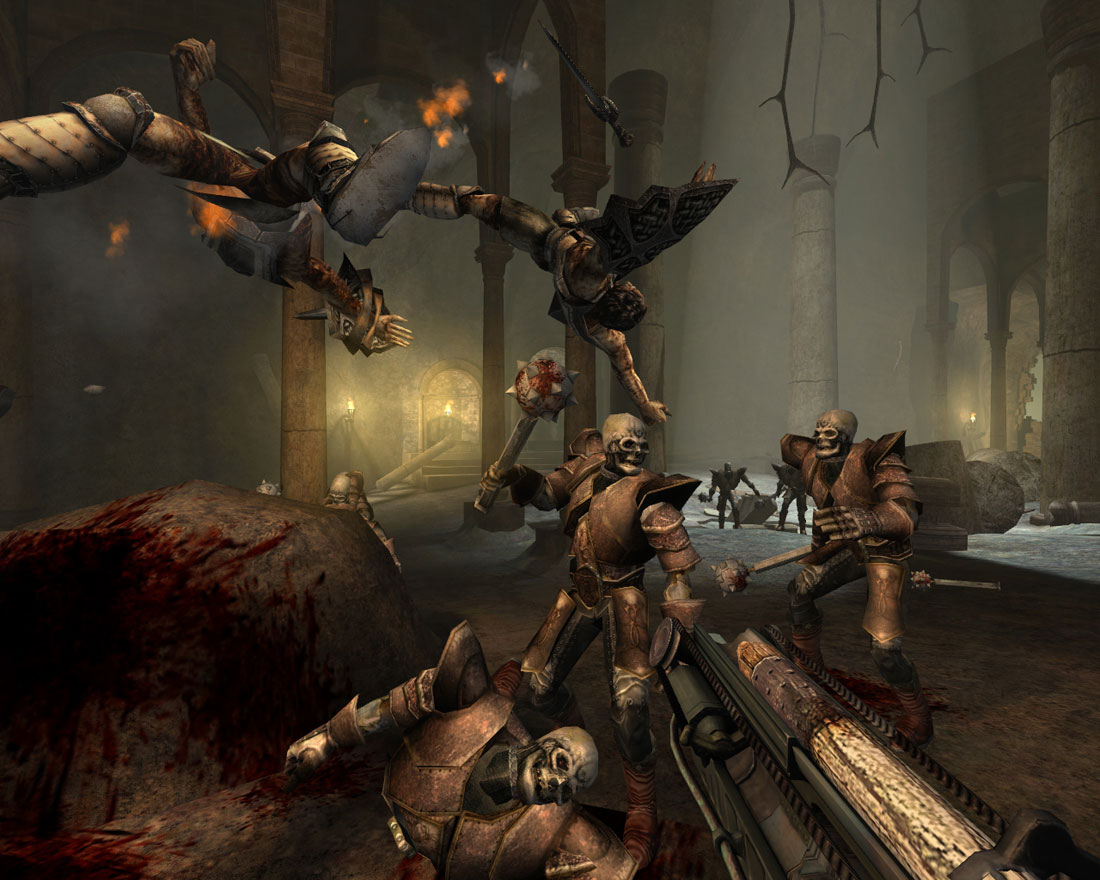
years ago with one of the two titans of arena shooting being Unreal Tournament
(the other of course being Quake). For
me, UT (alongside Total Annihilation) were the first PC games I played online
and having the frantic nature of UT Deathmatch on a map like Deck 16 cemented
my enjoyment for PC gaming and the larger spectrum of competition. The Arena shooter became my first stop for
many years of gaming, going through the entire UT series (UT, 2k3, 2k4 and 3 as
of writing) with modern titles such as CoD just not fully scratching such an
itch. For me, it was never the gunplay
that personified these games (be it weapons like the flak cannon being my
favourite anyway) but an enthusiasm for the movement controls with particular
focus on the 2k4 iteration. Whereas in a
modern title you will have a jump, crouch, sprint and maybe a slide; you could
dodge into double jumps, wall hikes into somersaults, rocket jumps and other
environmental based movement techniques to make your ability to remain a
difficult target an extra step of the FPS mechanics we all know and enjoy. It also gave a sense of speed as with
learning such mechanics, you could greatly increase your travel speed meaning
that it gave an overall feeling of speed to the gameplay that military
sprinting or short-term jetpacks just don’t truly match in my opinion. With Warframe’s new movement mechanics that
follow a similar toolset of wall hikes, double jumps, leaps, rolls and
bullet-time esc slides, PvP’ing gives me this feeling of having to use my
movement as an extension of my in-combat play so that I am able to try and gain
short-term advantages so that I can defeat the enemy. Traversing the maps, jumping into a battle to
nab a kill and then dart back out with a slither of health is something that
very rarely loses its charm and I can see that my previous enthusiasm for the
arena shooter could be found in not an FPS but a third-person shooter which has
somewhat surprised me.
That being said, I
would be lying if I made a 1:1 comparison and I do have some issues that have
cropped up during these hours of play. Some
of these are self-critical while others are at the gameplay.
 |
| Jumping away at the right time to be ready for the next skirmish. Screenshot taken 15/8/2015 |
First of all, I have had
to play a lot with my controls / mouse sensitivity because of the significant
change in enemy movement type from PvE to PvP.
The overwhelmingly majority of Warframe’s PvE enemies work on the same
plain as the player with a relativity slow-regular pace as the AI does make use
of cover and squad like groupings whereas a player is naturally
unpredictable. Traversing the map I have
noticed a small need for increased sensitivity, but when I end up in a
dual-like situation with another player one is wrapped into a swirl of leaps
and slides as you try to gain an advantage for a couple shots and in those
situations I could probably do with upping my sensitivity by around 40%. I do have the option to change my sensitivity
on the fly, but I feel like it’s going to take a couple hours to find the right
balance. In terms of movement, I also
feel that sometimes when I go to roll I’m not rolling which is getting me shot
/ stabbed but I have a feeling this maybe down to my aging hardware / reaction
speed.
 |
| Although I performed well during matches, the last 2 or so minutes would see me knocked off my podium finish. Screenshot taken 15/8/2015 |
Secondly, I feel like
there is an unnecessary ‘deadzone’ time in some movement which makes the flow
of gameplay feel off-balance. To those
of you who may be confused by my choice of word, I am referring to particular
moments in moving; aiming with a weapon after a sliding movement and landing
after a jump beyond the regular jump height.
The First of these has been a recent issue of mine since Update 17 where
there’s a short-term ‘sway’ out of the slide where the camera catches up with
the player so I feel this is something that may need some work on through
patches, but the second is more difficult to discuss because I can see the
reasoning behind it. Having a player
stagger if they don’t land a high jump properly makes sense as it encourages you
to chain movement together in an appropriate manner, it’s just the smaller
cases of jumping regular to a space a couple steps below your original jump
point is where it feels off in comparison to the PvE gameplay I have
experienced. There have been a number of
moments where I’ve thought “why” on a map such as the corpus ship tile-set
where I traverse the side crates onto the lower health pickups with no problem
but stagger on the nearby gradient changes.
Thirdly, and possibly the
most subjective, is the experience of comparative skills and the interplay
between them. It’s always difficult to
discuss a subject like this without going too much into balance and whether “x
is OP” but I will try just to give my experiences during this time. I personally have been trying quite a few
weapons and personally I’ve felt an affinity for shotgun use with a heavy
sidearm and polearm but I haven’t been able to find a frame that fits the
playstyle that I want to going with that.
I tried using Volt, Valkyr, Saryn, Zephyr, Chroma and Frost but I just
can’t get a great feeling of “this feels like what I want”. A skill / attack that one shots me as a Volt (with
a small armour rating so you may consider that there are various attacks that
do it) would also do the same to Saryn (a frame with a much higher armour
rating) and I personally don’t know what to make of it. I try to think of ‘counter-play’ but other
than ‘run away’ there isn’t much I’m coming up with and that’s not the best situation
in these circumstances. Then there’s Jat
Kittag, a weapon that I know is a slow, formidable weapon but in PvP has just been
an aggravation for me. In both PvE and
PvP it has a powerful knockback for the surrounding enemies but with one
particular experience of mine I feel it may need a bit of tweaking. The times where I’m battling with someone and
I get hit by it so be it, but when I’m mid-air and dodging away from it at a
decent height from the ground I don’t feel like I should be staggered / knocked
down by it. I understand there are mods
to make you immune to such affects after being knocked / staggered, but I’m not
on the ground or near to the blast so I don’t think I should be affected. I will of course play more to understand this
gameplay situation, but as of now for me it’s an unenjoyable play where
counters I have looked to make haven’t been viable.
Lastly (and possibly a
secondary point to all the above) having peer to peer connections is much more noticeable
in this game mode than in PvE, with myself experiencing a number of situations
where I’ve been killed around the corner when in terms of the connection I’m
most likely still occupying the space I was before I moved into cover. This is of course a factor of the overall
game and experienced in other games that use P2P such as CoD; so in an ideal
world I would love the use of dedicated servers as then I’m less likely to
either a) have the above situations happen or b) blame less of my performance
on a factor like lag. For the meantime, I’m
going to try to work around it and get better.
Overall, I have greatly
enjoyed my time PvP’ing in Warframe this weekend and would recommend it just to
try at least. The gameplay is fun and
removes a lot of what people do find annoying about the PvE side of gameplay –
farming / grinding. If you’re someone
like me and are looking for an arena shooter, this may intrigue you until the
genre properly finds its way onto the main stage of gaming, but other than a
few “ARGH” moments from myself it gave me a similar feeling to those older
titles.